 |
 |
 |
 |
Corps
of Engineers Native Hawaiian 8A GSA TSS Service Disabled Small Business |
 |
| MaineMark | Dept. of Defense | TimberMark™ | Field Project | Contracting |
TimberMark™
|
|
|
|
Corps
of Engineers Native Hawaiian 8A GSA TSS Service Disabled Small Business |
|
| MaineMark | Dept. of Defense | TimberMark™ | Field Project | Contracting |
 | What is
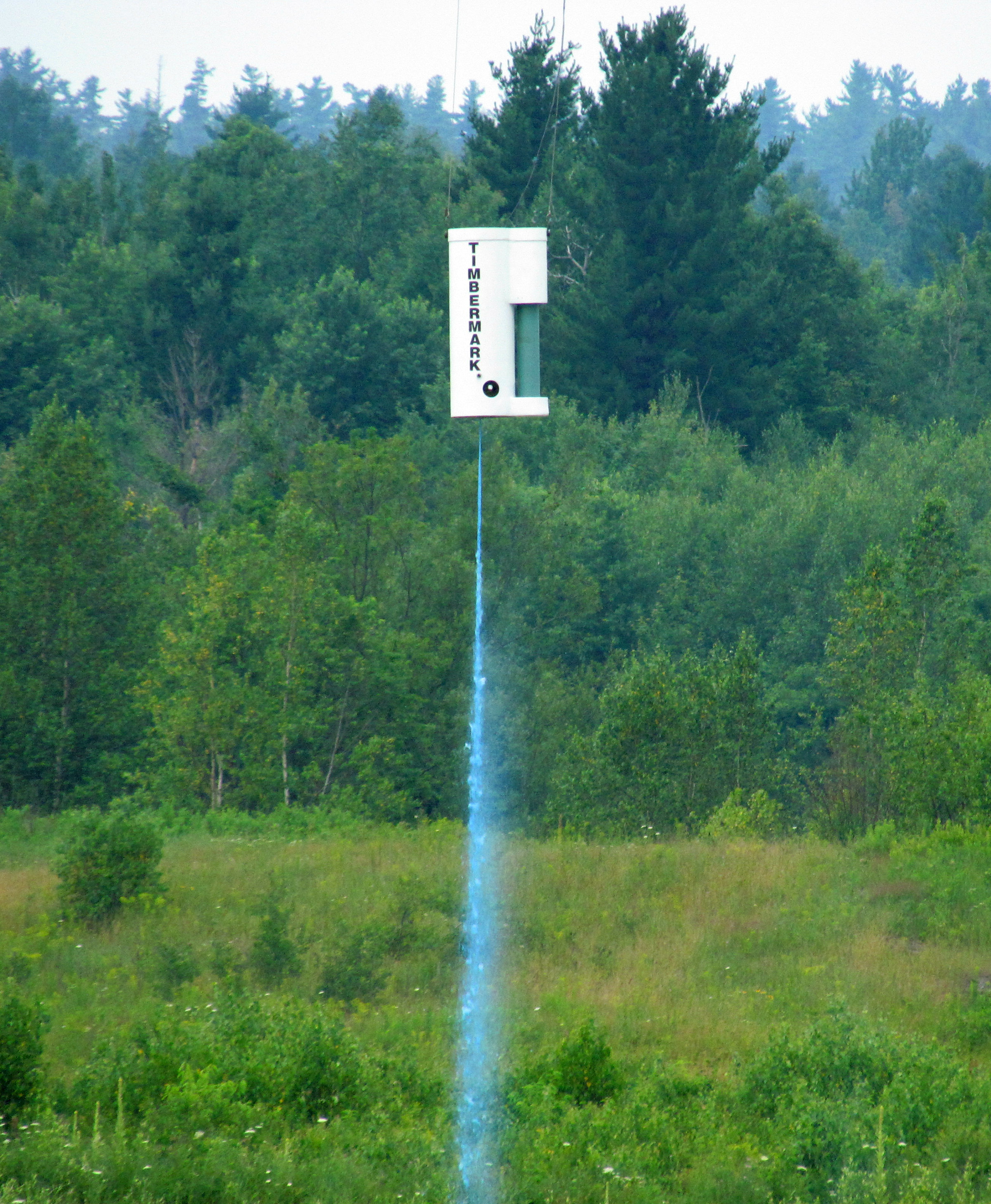
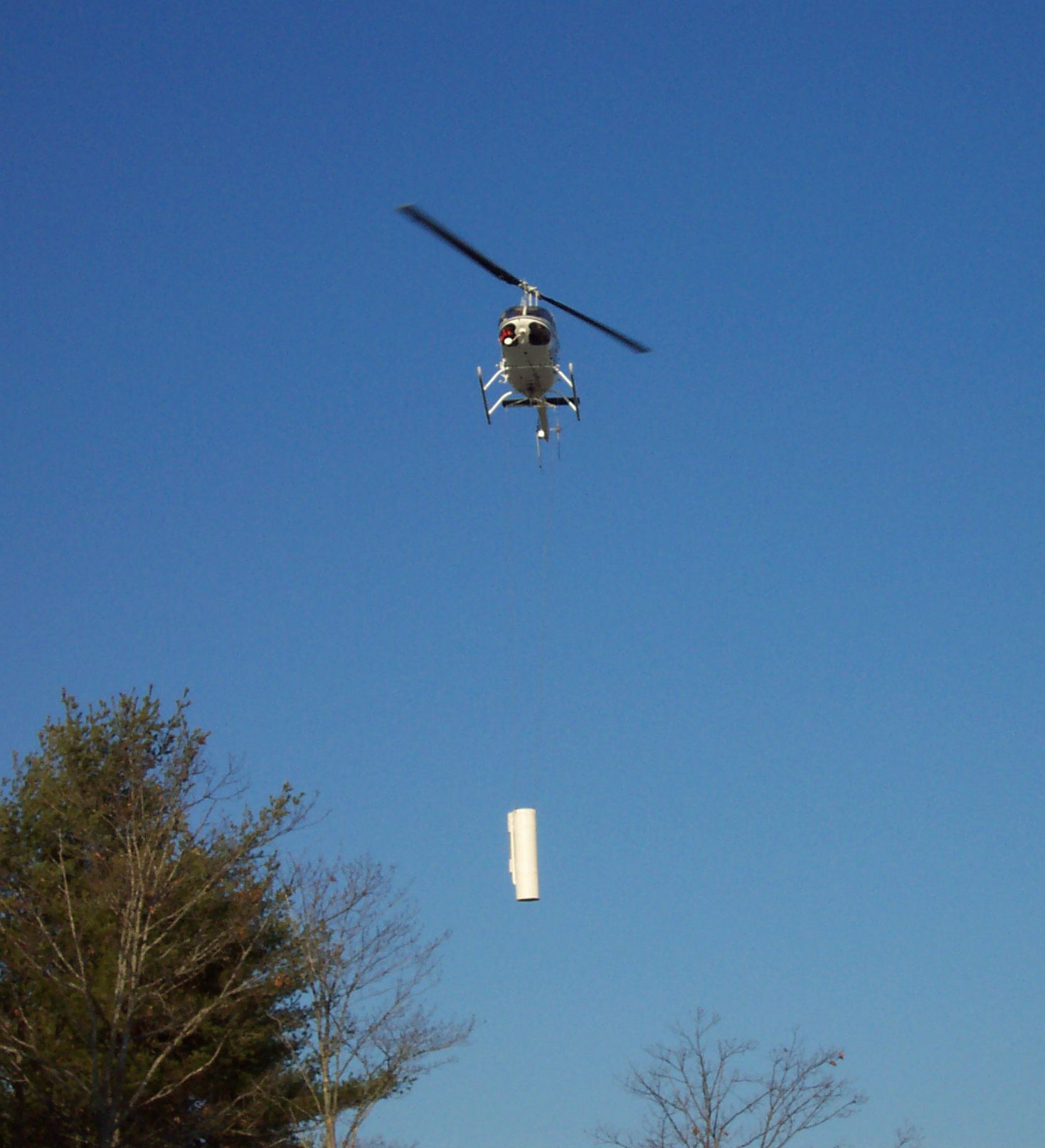
TimberMark™? TimberMark™ has a universal mounting design, which allows the system to install on most helicopters. The units (42 & 80 gallons) are made of Fiber Reinforced Plastics (FRP) and weigh approximately 150 pounds empty (dry weight). Its strong outer shell protects our paint tank and plumbing from branches and landings. It is attached to the aircrafts cargo hook with two variable length steel cables, which makes this an external load. In case of an emergency, the load can be quickly jettisoned. |
 | How it Works TimberMark™ utilizes Global Positioning System (GPS) to accurately map and record GPS coordinates of each paint mark delivered. The onboard computer controls are used to provide constant regulation and an accurate record of paint application. The computer controls in combinations with GPS input, also provides precise spacing between shots. The pilot can manually override the computer controls and spray variable lengths of lines with variable spacing of lines as required. The paint application is not a broadcast spray, as the width of each mark is typically less than 1 foot. The application height is anywhere from 20 to 100 feet above the ground with an average speed of 6 MPH, and is capable of penetrating through up to 80 feet of forest canopy. When TimberMark™ is being used to apply herbicides, the pilot has the option of operating the system in either the manual or computer control mode. Spot spraying of individual trees or clumps of vegetation will typically operate in the manual mode. |
Benefits
The number one advantage we’ve found in utilizing this
technology is SAFETY. By utilizing
TimberMark™, you can reduce worker exposure to injury, especially in areas that
are difficult to access due to terrain or density of vegetation. The second major advantage is
PRODUCTIVITY. TimberMark™ will delineate
approximately four to eight miles of line per hour.